 Claude
 Perplexity
TL;DR
- This blog is for Indian homeowners who want to clean their fabric, cloth or leather sofa at home without expensive products or professional help.
- Most sofa damage happens from wrong cleaning methods - rubbing stains, using harsh detergents, or over-wetting the fabric.
- The right approach depends on your sofa type: fabric/cloth sofas use water-based DIY solutions, while leather sofas need gentle wiping and conditioning.
- Common Indian household stains like chai, haldi, and mango have specific removal techniques that most generic guides miss.
- Deep clean your sofa at least once every 3–4 months and follow a simple weekly maintenance routine to extend its life significantly.
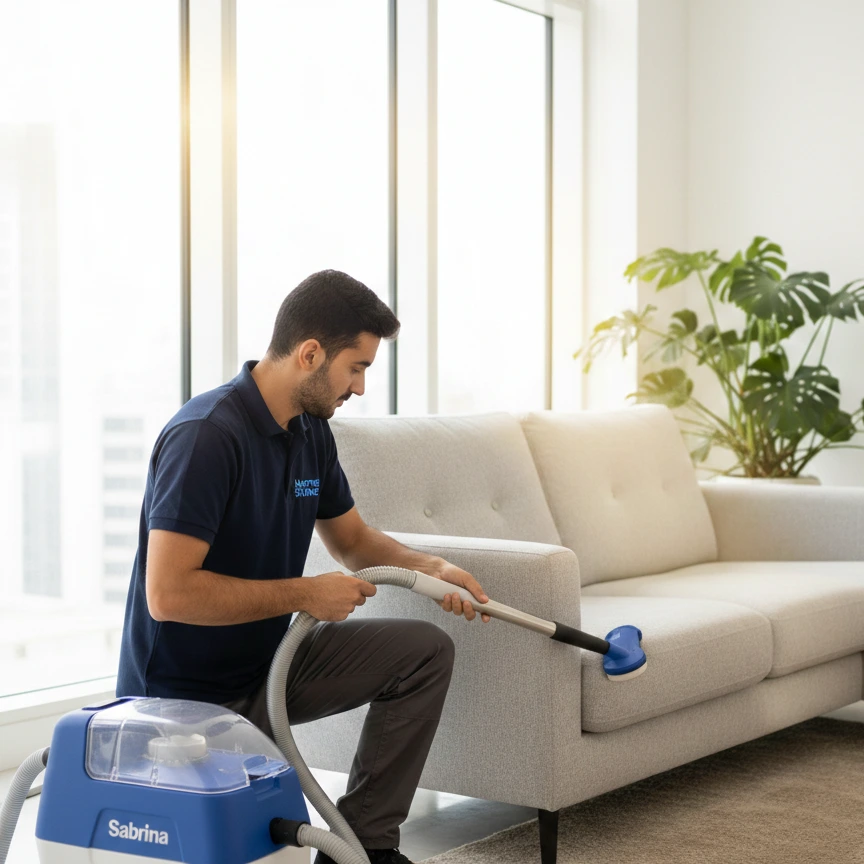
Your sofa takes more beating than any other piece of furniture in the house. Movie nights, afternoon naps, guests, kids, pets, and the occasional chai spill - it sees it all. Yet most people only think about cleaning it when the stain has already set.
This guide covers how to clean a fabric sofa, how to clean a cloth sofa, and how to clean a leather sofa - all from home, using simple supplies. You will also find specific solutions for common household stains that most guides do not address.
Why Regular Sofa Cleaning Actually Matters
Most people treat sofa cleaning as a cosmetic task. The stain is visible, so it needs to go. But the real reason to clean your sofa regularly goes beyond appearances.
Fabric and cloth sofas absorb dust, dead skin cells, food particles, and moisture continuously. Over time, this creates an environment where dust mites, bacteria, and mold can thrive - especially during humid months. If anyone at home has allergies or respiratory sensitivities, a dirty sofa makes it worse.
Leather sofas have a different problem. Without regular wiping and conditioning, leather dries out, loses its oils, and starts cracking. Once cracks set in, there is no easy fix.
A good rule of thumb: light cleaning once a week, deep cleaning every 3–4 months. This is far easier than dealing with a badly neglected sofa later.
Before You Start: Check the Cleaning Code Tag
This step takes 30 seconds and can save you from permanently damaging your sofa.
Every sofa has a small tag, usually tucked under a cushion or at the back. It carries one of four cleaning codes:
- W - Water-safe. You can use water-based cleaning solutions.
- S - Solvent only. No water. Use dry-cleaning solvent products.
- WS - Both water and solvent-based cleaners work.
- X - Vacuum only. No liquids at all.
Most fabric and cloth sofas fall under W or WS. If your sofa has no tag or you cannot find it, test any cleaning solution on a hidden corner first and wait 10 minutes before proceeding.
How to Clean a Fabric Sofa at Home
Fabric sofas are the most common in Indian and UAE households - comfortable, available in hundreds of designs, and generally affordable. They also absorb stains the fastest.
Step 1: Vacuum First
Remove all cushions and vacuum the entire surface using a soft brush attachment. Pay extra attention to the seams, crevices, and the area where cushions sit. This removes loose dust, crumbs, and pet hair before any liquid touches the fabric.
If you do not have a vacuum cleaner, use a soft-bristle brush to dislodge dirt, then wipe with a dry microfiber cloth.
Step 2: Prepare Your Cleaning Solution
For W or WS coded fabric sofas, this simple mix works well for general cleaning:
- 1 tablespoon dish soap (any mild variety)
- 2 cups warm water
- 1 tablespoon white vinegar
Mix in a bowl and whip slightly to create foam. Apply the foam, not the liquid. This prevents over-wetting the fabric, which can cause watermarks or mildew.
Step 3: Clean Section by Section
Dip a clean white cloth into the solution and wring it well. Wipe one section at a time using gentle circular motions. Always use a white cloth - colored cloths can transfer dye onto light-colored sofas.
Do not scrub aggressively. The goal is to lift the dirt, not push it deeper into the fibers.
Step 4: Rinse and Dry
Use a separate cloth dampened with plain water to wipe off the soap residue. Follow this with a dry cloth to absorb moisture.
Let the sofa air dry completely before using it again. Keep a window open or run a fan nearby. Avoid direct afternoon sunlight in summer - it can fade the fabric color.
How to Remove Common Stains from a Cloth Sofa
Stain removal on a cloth sofa is where most people go wrong. The instinct to rub harder almost always makes it worse. Always blot, never rub.
Chai and Coffee Stains
Blot the spill immediately with a dry cloth. Mix one tablespoon of dish soap with one cup of cold water and a teaspoon of white vinegar. Apply to the stain with a cloth and blot gently. Always use cold water for chai stains - hot water sets the tannins and makes the stain permanent.
Haldi (Turmeric) Stains
Haldi is one of the hardest stains to remove completely. Act immediately. Scrape off any solid residue first. Mix dish soap with cold water and blot. For stubborn haldi stains, try placing the cushion cover in direct sunlight after cleaning - UV exposure naturally fades turmeric discoloration over a few hours.
Grease and Oil Stains
Sprinkle cornstarch or regular flour directly on the stain. Let it sit for 15–20 minutes to absorb the oil, then brush it off. Follow up with the dish soap and vinegar solution to remove the remaining residue.
Odor Removal (Baking Soda Method)
Sprinkle baking soda generously across the entire sofa surface. Let it sit for at least 30–60 minutes. Baking soda absorbs moisture and neutralizes odors at the source. Vacuum or brush it off completely. This works especially well for pet odors and musty smells that build up during humid months.
How to Clean a Leather Sofa at Home
Leather sofas require a more careful approach than fabric. The goal is always gentle - clean without stripping the natural oils.
What You Need
- Soft microfiber cloths (minimum 2)
- Mild soap or baby soap
- Distilled water (or water left overnight in an open container)
- Leather conditioner (available at any furniture or hardware store)
Never use regular dish soap in large amounts, alcohol-based products, vinegar directly on leather, or any harsh household cleaners. These strip the leather's natural tanning oils and accelerate cracking.
Step 1: Dust and Vacuum
Use a soft dry cloth to remove surface dust. Then vacuum gently with a soft brush attachment, paying attention to the seams where dust collects.
Step 2: Wipe with Mild Soap Solution
Add a few drops of mild soap or baby soap to distilled water. Dip a microfiber cloth in this solution, wring it out well - the cloth should be barely damp, not wet. Wipe the leather surface gently, working in the direction of the grain.
Use a second cloth dampened with plain distilled water to wipe off the soap residue.
Step 3: Dry Thoroughly
Pat dry with a clean, dry microfiber cloth. Let the sofa air dry completely before using it. Never use a hairdryer - direct heat damages leather.
Step 4: Condition the Leather
Once dry, apply a thin layer of leather conditioner and buff it in with a clean cloth. Conditioning every 3–4 months keeps leather soft, prevents cracking, and maintains its appearance.
In high-humidity months, a quick wipe-down monthly is important - moisture can cause surface mold on leather. In peak summer, conditioning becomes more critical to prevent the leather from drying out and cracking.
Removing Ink or Dark Stains from Leather
For fresh ink stains, dip a cotton swab in rubbing alcohol and dab gently - do not rub and do not spread. For stubborn marks, try a small amount of non-gel white toothpaste on a soft cloth. Always test on a hidden area first.
How to Deep Clean Your Sofa Without a Vacuum Cleaner
Not every household owns a vacuum cleaner. Here is how to manage a proper sofa clean without one.
Start with a soft-bristle brush to dislodge surface dust and debris. Brush in one direction so you gather the dirt rather than spreading it. Follow with a dry microfiber cloth to pick up the loosened particles.
For fabric sofas, a lint roller works well for picking up pet hair and small particles from the surface before wet cleaning.
The rest of the cleaning process remains the same - DIY solution, damp cloth application, blotting dry.
Monsoon-Specific Sofa Care
This is something almost no guide talks about, but it matters.
During monsoon and high-humidity months, indoor humidity can rise significantly. Fabric and cloth sofas absorb this moisture and, if not aired out, develop a musty smell and even surface mold over time.
A few habits that help during humid months:
- Use a dehumidifier in the living room if possible, or simply keep a window cracked open when weather allows.
- Baking soda treatments become more important - do this monthly during the humid season.
- For leather sofas, wipe down the surface weekly with a barely damp cloth and condition once at the start of the monsoon season.
- Avoid keeping the sofa pushed against a wall with no air circulation behind it.
Daily and Weekly Sofa Maintenance Habits
Deep cleaning is necessary, but consistent small habits do most of the heavy lifting.
- Vacuum or brush the sofa every 1–2 weeks before dust builds up.
- Blot any spills immediately instead of waiting - this alone prevents 80% of stubborn stains.
- Rotate and flip cushions every month so they wear evenly.
- Use a sofa cover or throws if you have kids or pets - they are far easier to wash than the sofa itself.
- Keep the sofa away from direct sunlight, which fades fabric and dries out leather over time.
When to Call a Professional
DIY cleaning handles routine maintenance and most fresh stains. But there are situations where professional help is the smarter call.
If the sofa has not been deep cleaned in over a year, professional steam cleaning reaches the foam and padding underneath where home methods cannot go. For heavily soiled sofas, professional extraction equipment removes embedded dirt more thoroughly.
For leather sofas with significant cracking or extensive dark staining, consulting a leather specialist before attempting any DIY removal is worth it - a wrong step at that stage can make repairs far more expensive.
Frequently Asked Questions
How often should I clean my sofa at home?
Light vacuuming or brushing every 1–2 weeks is ideal. For a full deep clean of a fabric or cloth sofa, aim for once every 3–4 months. Leather sofas should be wiped monthly and conditioned every quarter.
Can I use baking soda and vinegar to clean a fabric sofa?
Yes. Baking soda works well for odor removal and mild stain absorption. White vinegar diluted with water is effective for stain treatment on W-coded fabric sofas. Use them separately rather than mixing directly on the sofa - the reaction creates foam that can leave residue if not properly rinsed.
How do I clean a cloth sofa at home without leaving watermarks?
Watermarks form when too much water is applied to the fabric. Use a barely damp cloth and apply cleaning foam rather than liquid directly. Always dry immediately with a clean cloth after cleaning and let the sofa fully air dry. Working section by section also helps avoid uneven wet patches.
Is it safe to clean a leather sofa with vinegar?
Diluted white vinegar can be used in small amounts on some leather sofas, but it is not recommended as a routine cleaner. Vinegar is mildly acidic and can strip leather's natural oils with repeated use. Stick to mild soap and distilled water for routine cleaning, and use a proper leather conditioner regularly.
What is the best home remedy for removing chai stains from a sofa?
Act immediately. Blot the spill with a dry cloth first. Then mix one tablespoon dish soap with one cup cold water and one teaspoon white vinegar. Apply with a cloth and blot - never rub. Always use cold water for chai, because hot water sets the tannin stains permanently.
Can I clean my sofa during monsoon?
Yes, but take extra precautions. Ensure proper ventilation so the sofa dries completely - a damp sofa during humid months can develop mold and a musty smell. Use a fan to speed up drying and avoid cleaning on a day when the room has very high humidity. Baking soda treatment monthly is especially useful during the monsoon season.